
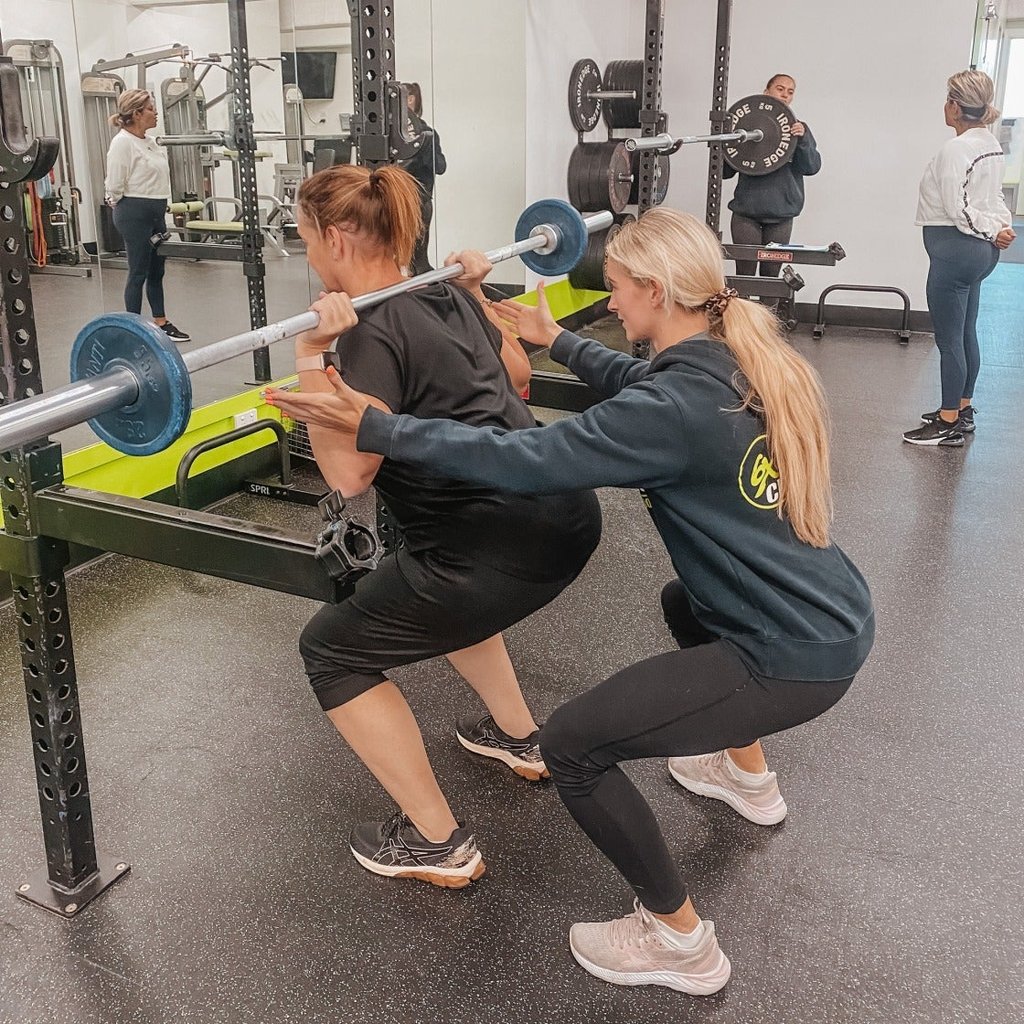
Fat Loss
Fat Loss in Sydney: A Complete Guide
What actually drives fat loss (energy balance, protein, resistance training), what to ignore, and how a Maroubra studio structures it.
Fat Loss
By Brad Ellison ·
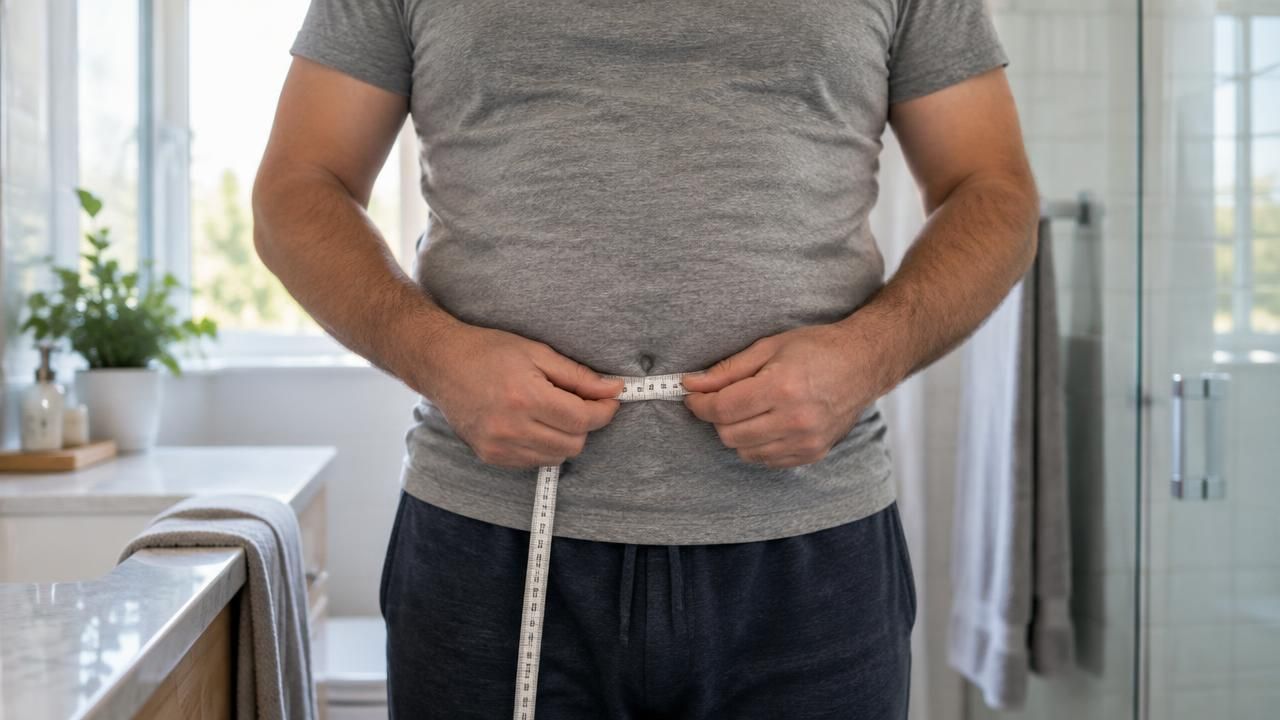
You cannot target belly fat directly, because no exercise burns fat from one spot. Losing it comes from an overall fat-loss approach: a sustainable calorie deficit, enough protein, resistance training, daily movement and decent sleep. The belly is often the last place to lean out, which is normal, not a sign you are doing something wrong.
Two kinds of fat sit around your middle: subcutaneous fat under the skin, and visceral fat around your organs. Visceral fat is more metabolically active and responds well to consistent training and nutrition, while stubborn subcutaneous fat around the lower abdomen is often simply the last reserve your body releases. Genetics and hormones influence where you lose fat first, and you cannot override that order with crunches.
These principles apply if you're using a weight-loss injection, though you need to be even more deliberate about protein and resistance training.
The scale hides progress and the mirror is slow. A waist measurement plus an InBody scan every 4 to 6 weeks shows visceral fat and body fat changing even when weight is stable. Want to see where your fat is actually stored? Start with an InBody scan and a plan built around your numbers. Losing centimetres while the scale holds still is normal, and we explain why in our guide to weight loss plateaus.
Questions
Fat Loss
What actually drives fat loss (energy balance, protein, resistance training), what to ignore, and how a Maroubra studio structures it.

Body Composition
What an InBody 570 scan measures, how accurate it really is versus DEXA, how to read your result, and where to book one in Maroubra, from a studio that scans members every 4 to 6 weeks.
Nutrition
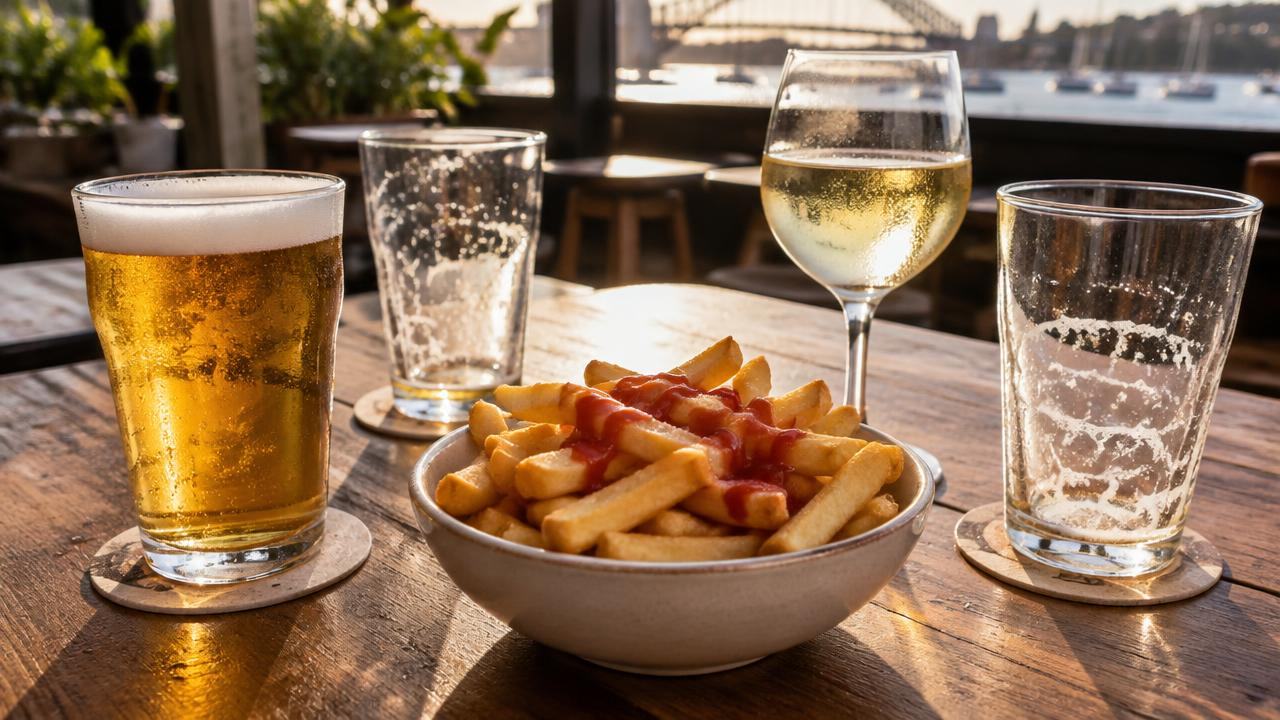
What alcohol actually does to fat loss, the kilojoule numbers behind a big weekend, and the drinking rules we give members heading into Christmas.
Fat Loss
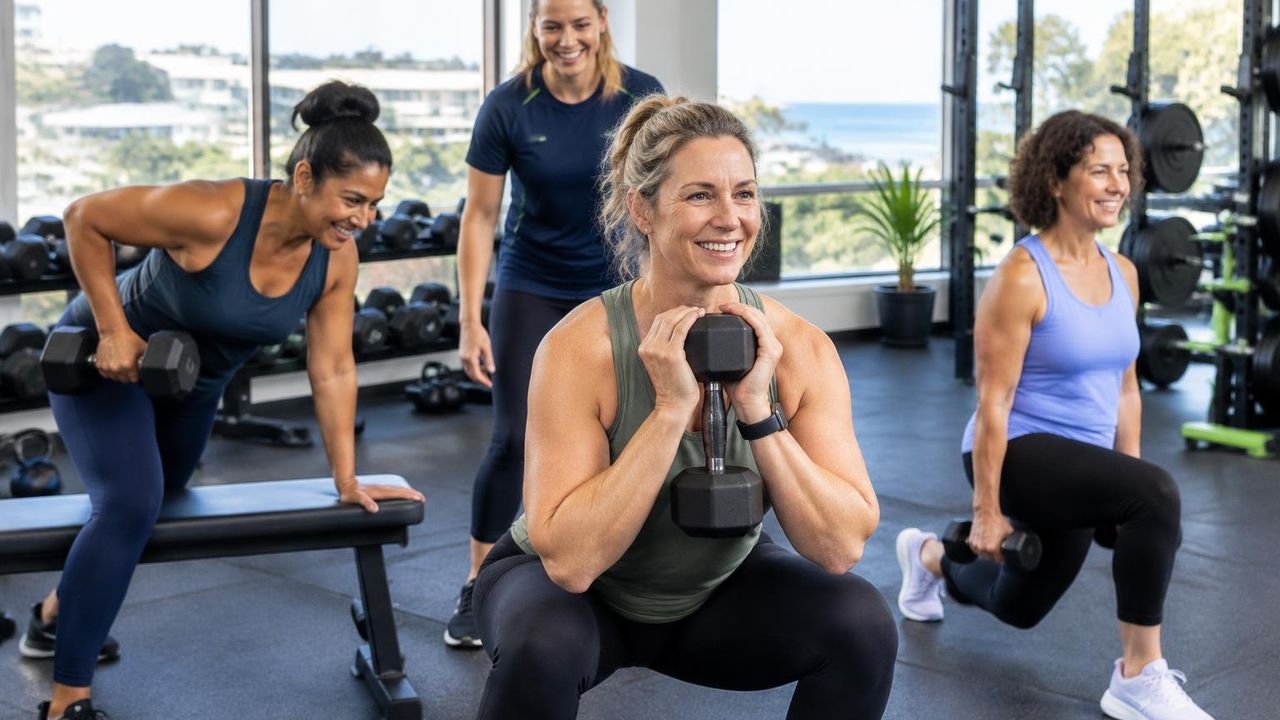
Why the weight settles around your middle after 45, and what actually shifts it.
This article is general information for healthy adults and is not medical, dietetic or physiotherapy advice. Speak with your GP or a qualified health professional before starting a new exercise, nutrition or recovery program, particularly if you have an existing injury or medical condition.
Your next step
An InBody scan separates fat from muscle so your training and nutrition are set from data, not guesswork.