

Recovery
Sauna, Ice Baths and Recovery in Sydney: What the Evidence Says
What the research really supports for sauna, ice baths and contrast therapy, what it does not, and how to time recovery around your training.
Recovery
By Brad Ellison · · Updated 20 October 2026

Yes, there is an infrared sauna in Maroubra. Ours sits in the recovery suite at 319 Malabar Road, alongside an ice bath and compression boots, and a typical session is 15 to 30 minutes at around 45 to 60 degrees. It is open to non-members as well as members, and a casual visit is $39. People use it to relax, loosen stiff joints and recover after training, and the evidence for those uses is reasonable even if it is younger and thinner than the research on traditional saunas. Here is what it actually does, what a session looks like, how to use heat and cold together, and how to get in.
A traditional Finnish sauna heats the air to somewhere around 80 to 100 degrees, and that hot air heats you. An infrared sauna works the other way around. Panels emit infrared light that warms your body and skin directly, so the air can sit much lower, usually around 45 to 60 degrees, while you still sweat properly. Most people find the lower air temperature easier to sit in, which is why infrared sessions tend to run a little longer and feel more comfortable for beginners. The sweating is similar. The main practical difference is comfort, not magic.
This is the part nobody puts on a website, so here it is plainly. You book a slot, you bring a towel and a water bottle, and you train or do not train beforehand, whichever suits. You sit in there for 15 minutes if you are new, 20 to 30 once you are used to it. You will sweat heavily by the ten minute mark. You come out, you cool down, you drink, and most people feel noticeably loose and a bit sleepy for the next hour.
Worth being clear here, because the marketing around infrared saunas gets loud. The strongest long-term health research, the studies linking regular sauna use to better heart health, comes mostly from traditional Finnish saunas, not infrared specifically. The infrared research is smaller and newer, so anyone promising you infrared will fix your blood pressure or add years to your life is running ahead of the evidence.
Where the signal is more solid is recovery and how you feel. A 2023 study on post-exercise infrared sauna found that a session after resistance training reduced muscle soreness and helped explosive performance bounce back faster than doing nothing. The likely mechanisms are simple: more blood flow to worked tissue, and the relaxation that comes with sitting in warmth. So the reasonable, evidence-backed reasons to use one are:
What an infrared sauna does not do is "detox" you or burn fat. Sweat is your body cooling itself, not flushing toxins, and that is your liver and kidneys' job. The weight you drop on the scale after a session is water, and you put it straight back when you rehydrate. That is not a knock on the sauna, it just means you should use it for what it is good at.
The ice bath is the other half of the recovery suite, and it is the one people ask about most in summer. Two to five minutes is plenty. The point is not to prove something, it is to get the nervous-system reset and the drop in perceived soreness that most people report afterwards.
There is one timing detail worth knowing, and most places will not tell you. Emerging evidence suggests that regular cold water immersion straight after resistance training may blunt some of the muscle-building signal from that session. A 2021 narrative review of post-exercise cold water immersion covers the mechanisms, and the picture is clearer for muscle size than for strength, which seems to hold up either way. This is emerging evidence rather than settled fact, but it is enough to change how we sequence things.
So what we tell members is straightforward. If your priority that day is building strength and muscle, use the sauna after lifting and save the ice bath for a rest day or a few hours later. If your priority is feeling better fast, before a game, after a heavy week, or in the middle of a Sydney heatwave, use the cold whenever you like. Contrast, moving between heat and cold a couple of times, is the version most people enjoy most, and it is a pleasant way to finish a week.
We are in late Spring and summer starts in about six weeks, which changes how recovery earns its place. Training in Sydney heat means you arrive at sessions already dehydrated, you sweat more, and you recover worse if you do not top up fluid and salt. In practice that means the ice bath gets busier from November and the sauna gets used more for stiffness than for warmth.
A sensible summer pattern: train earlier or later to dodge the worst of the heat, drink more than feels necessary across the day rather than sculling a litre before training, use the cold plunge on the hot afternoons, and keep the sauna for rest days and the mornings when you are tight. If you are adding sessions before Christmas, and most people are, recovery is what lets you handle the extra load without falling apart in week three.
Think of the sauna as a recovery tool, not a workout. It is not a substitute for lifting or moving, and it will not out-train your nutrition. Used well, it is something that helps you train more often by taking the edge off soreness and helping you switch off.
If your main goal is fat loss, the sauna supports it only indirectly, by helping you recover so you keep showing up. The work still happens in the gym and the kitchen, which is the point we make in our complete guide to fat loss in Sydney. For men over 40 adding training load after a few quiet years, recovery is usually the difference between a six-week burst and a habit, and we go through the rest of that picture in how to lose weight after 40. For the fuller comparison of sauna, ice baths and contrast therapy, and what the research does and does not support, we go deeper in our guide to recovery in Sydney.
Our recovery suite in Maroubra has the infrared sauna, an ice bath and compression boots in the one room, a few minutes from Maroubra beach and on the 376 and 377 bus routes. Members use it a few different ways: to wind down after a Max8 group session or one-on-one PT, to loosen up on a rest day, or as a standalone reset when training has been heavy.
You do not need to be a member. A casual recovery visit is $39, so you can book the sauna and ice bath on their own, and most 6X memberships include unlimited access. If you are coming more than once a week, the membership maths wins quickly. Options are on our recovery services page, or ask us at the studio. What we have noticed since 2011 is that the people who recover deliberately are usually the ones who train the most consistently, and consistency is what actually changes a body.
Questions
Recovery
What the research really supports for sauna, ice baths and contrast therapy, what it does not, and how to time recovery around your training.
Fat Loss
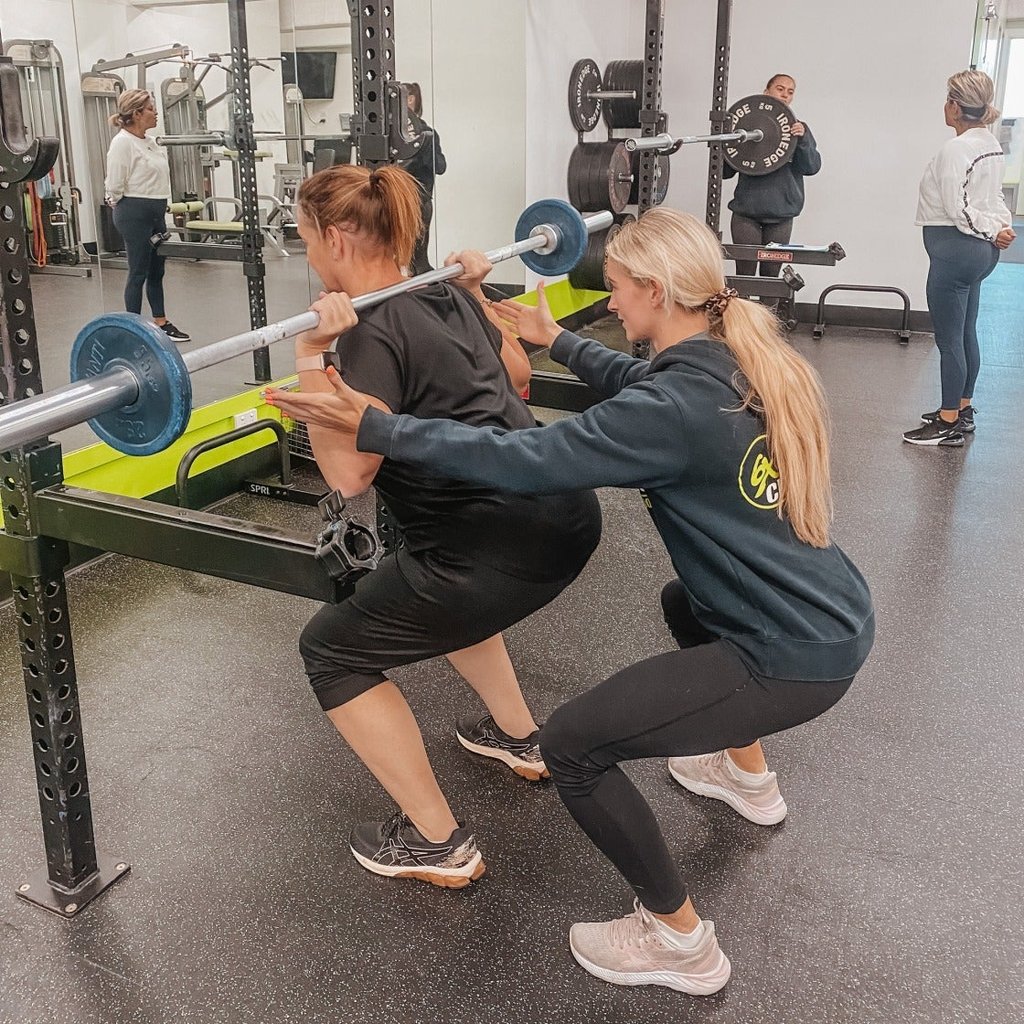
What actually drives fat loss (energy balance, protein, resistance training), what to ignore, and how a Maroubra studio structures it.
Training
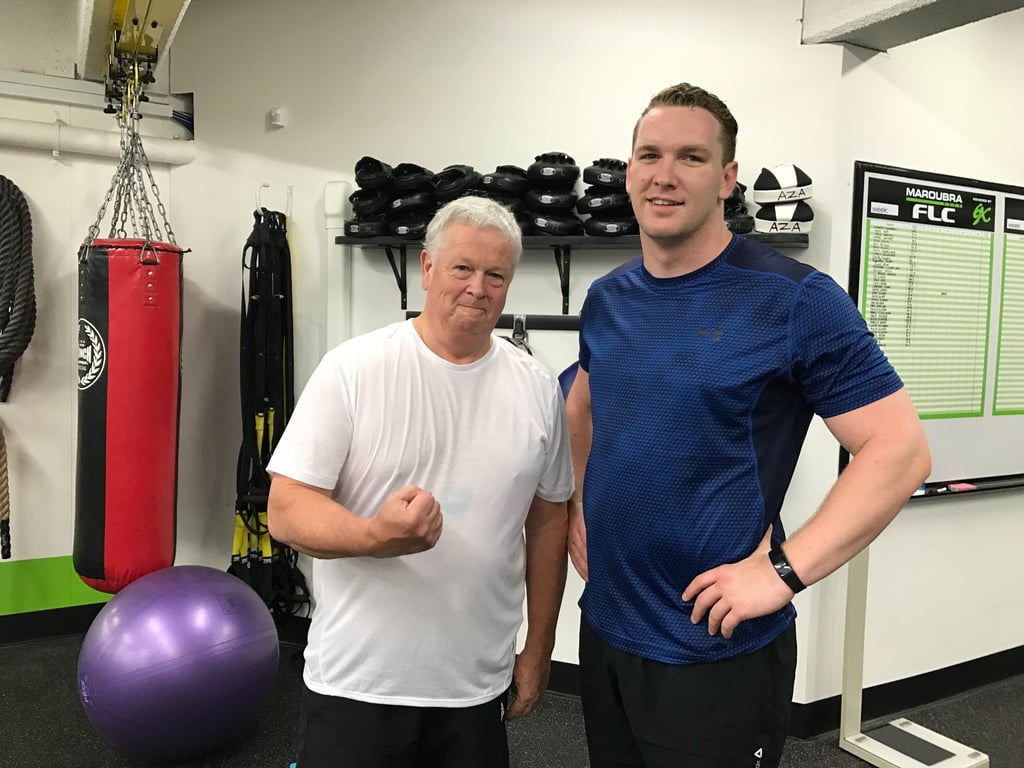
Why resistance training becomes the highest-value habit after 40, and how to start safely.
Fat Loss
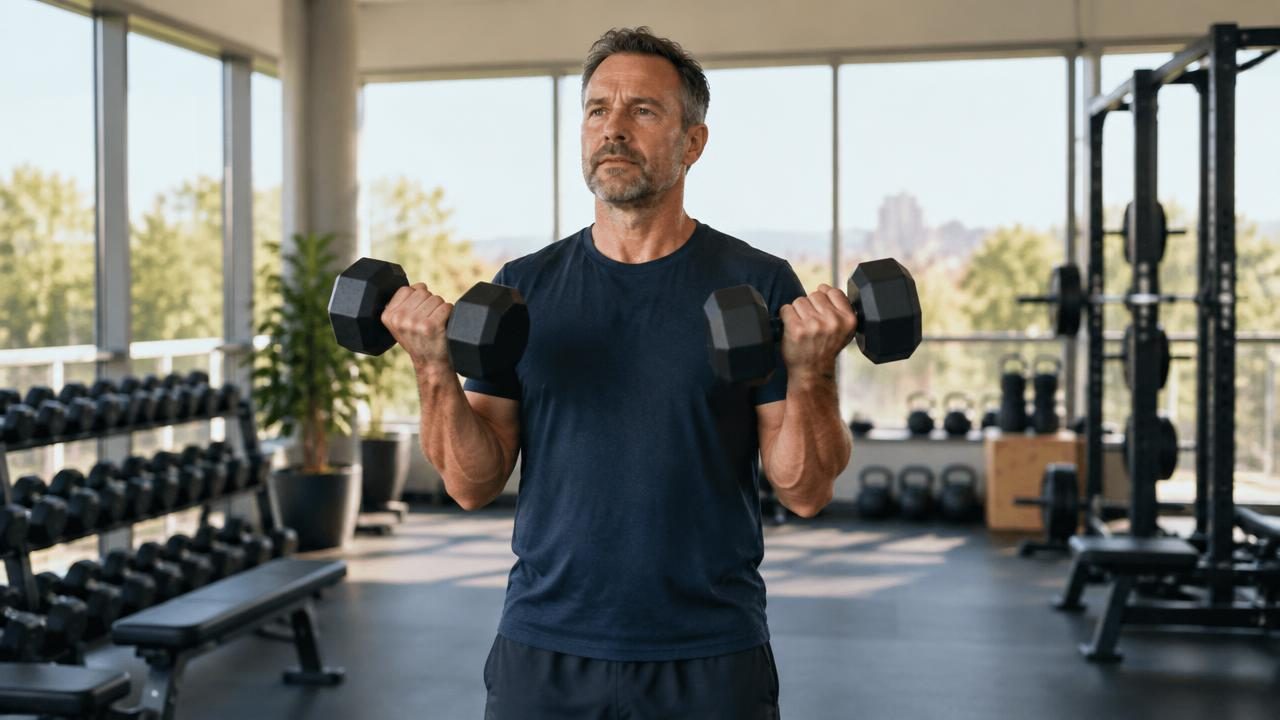
Fat loss after 40 is not harder because your metabolism broke. It is harder because of muscle, sleep, sitting and drinking. Here is how we fix all four.
This article is general information for healthy adults and is not medical, dietetic or physiotherapy advice. Speak with your GP or a qualified health professional before starting a new exercise, nutrition or recovery program, particularly if you have an existing injury or medical condition.
Your next step
Infrared sauna, cold plunge and compression on site at Maroubra, used around your training rather than at random.