
Training
Strength Training for Women Over 50: A Practical Guide
Why lifting weights is one of the best things women over 50 can do, and how to start safely.
Training
By Brad Ellison ·
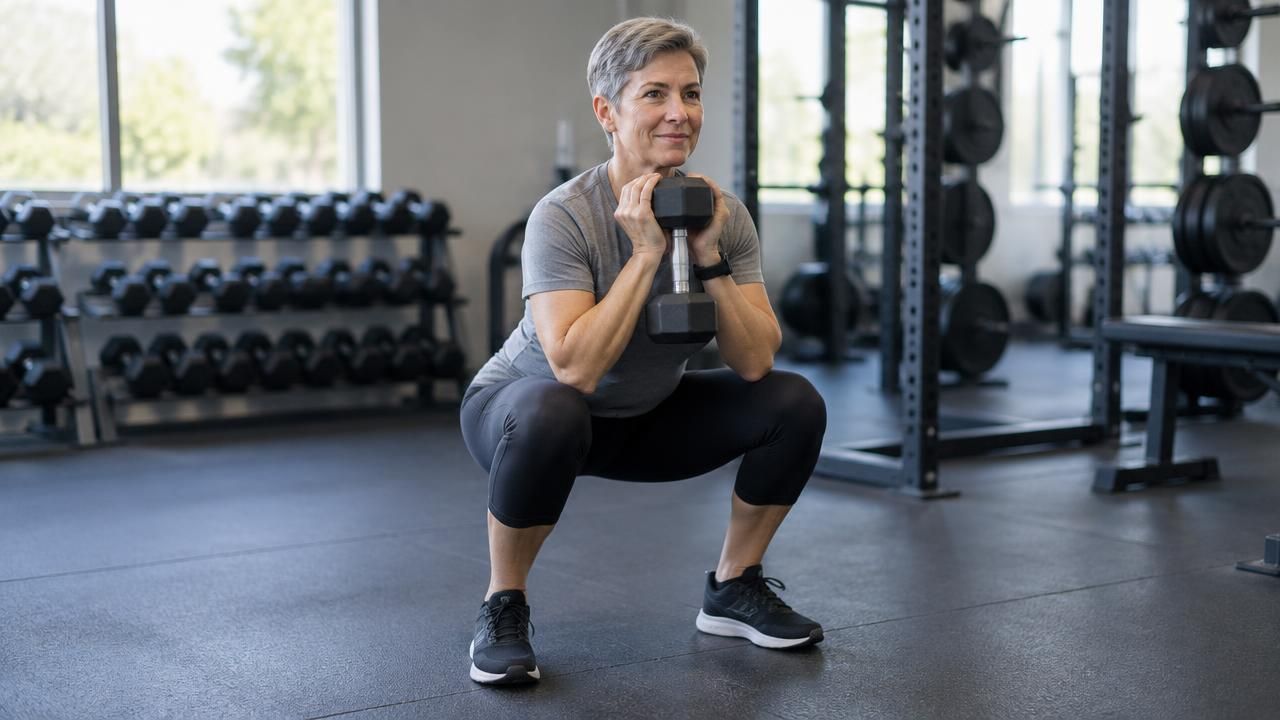
After 40, strength training stops being optional. From your 30s onward you gradually lose muscle, a process called sarcopenia, and especially after 50 your bone density declines, and resistance training is the most effective way to slow both. Encouragingly, adults in their 40s and 50s respond well to training, often faster than they expect.
Muscle does far more than change how you look. It drives your metabolism, keeps you strong for daily life, protects your joints and lowers injury and fall risk as you age. Resistance training three times a week has been shown to meaningfully improve strength and function in older adults, and to have a small but real positive effect on bone density at the hip and spine, which matters most after 50 when bone loss accelerates.
Consistency beats intensity. If you are deciding how often to train each week, two or three well-run sessions a week, sustained for months, changes how you look, move and feel, and using an infrared sauna to recover can help you back up between sessions. It is also the most effective way to protect muscle on a weight-loss medication. Ready to start strength training the right way? Book a free consultation.
Questions
Training
Why lifting weights is one of the best things women over 50 can do, and how to start safely.
Fat Loss
What actually drives fat loss (energy balance, protein, resistance training), what to ignore, and how a Maroubra studio structures it.
Fat Loss
Why the weight settles around your middle after 45, and what actually shifts it.
Training
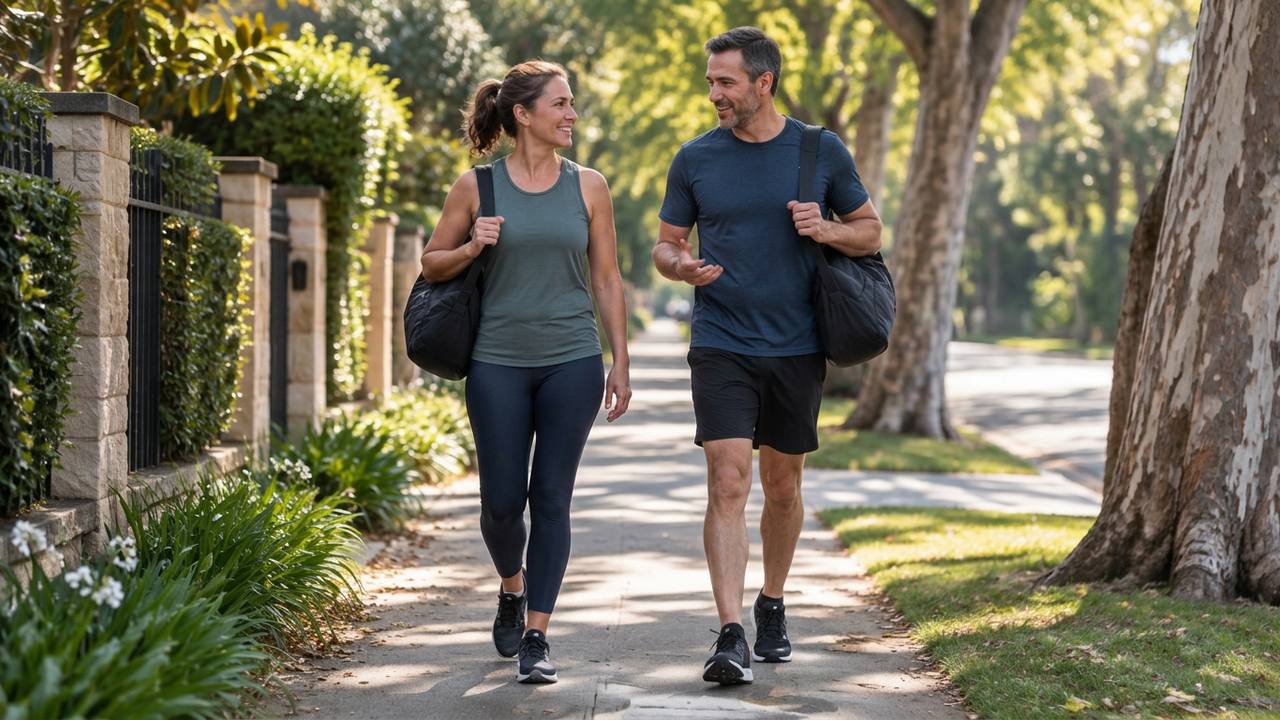
Three, most weeks, for months. Two is the floor and four is where the returns get thin. Here is why, and what the week looks like.
This article is general information for healthy adults and is not medical, dietetic or physiotherapy advice. Speak with your GP or a qualified health professional before starting a new exercise, nutrition or recovery program, particularly if you have an existing injury or medical condition.
Your next step
A short conversation about your goals, your history and what a realistic plan looks like.