

Personal Training
Is Personal Training Worth It? A Clear Look at the ROI
A straight answer on whether personal training is worth the cost, who it suits, and how to judge the return.
Personal Training
By Brad Ellison ·

If you want to lose 5kg or more, most people need one person managing training and food together, not two specialists working in separate rooms. A personal trainer runs your sessions. A weight loss coach runs the project: training, food, sleep, measurement and the weekly follow-up that keeps you doing it. An Accredited Practising Dietitian is a university-qualified clinician, and there are situations where they should be your first call. Since 2011 I have watched people in Maroubra pay for the wrong one of the three, get nowhere, and decide coaching does not work for them.
The titles are the problem. Two of the three mean something specific. One of them means whatever the person using it wants it to mean. Here is how to tell them apart before you hand over any money.
A trainer is responsible for the hour you spend with them: what you lift, how you lift it, how hard you work and whether you get hurt. A good one programs progression, watches your technique and adjusts when your shoulder is cranky. That is a real skill and worth paying for.
The limit is the hour. If you train twice a week you are with your trainer for two of the 168 hours in your week. Nothing in that arrangement covers the other 166, which is where almost all fat loss is decided. Plenty of people train hard for a year with a good trainer and lose very little, because nobody was ever responsible for what happened at 9pm on a Tuesday.
The title is unregulated, so it tells you nothing on its own. What it should mean is that one person owns the outcome rather than the session: they set the training, set the food targets, decide what gets measured, review the numbers every few weeks and change the plan when it stalls. The weekly contact is the actual product. The training is just the part you can see.
Because anyone can print the words on a business card, you have to check what sits behind them. Ask what qualification they hold, what they measure, how often they review it and what they do when four weeks pass with no change. Someone with a real system answers those in about thirty seconds.
This is the one with a protected meaning. According to Healthdirect, you must have completed an accredited university degree in nutrition and dietetics to become a qualified dietitian and join the Accredited Practising Dietitian program, and the APD credential is the only dietitian qualification recognised by the Australian Government for Medicare and Department of Veterans' Affairs purposes.
The same page makes a point every adult shopping for nutrition help should read twice. All dietitians are nutritionists, but nutritionists cannot call themselves dietitians without a dietetics qualification, and the profession of nutritionist is not regulated in Australia, so anyone can use the word without any specific training. If you are choosing between two people and one is an APD, you know exactly what one of them has done and nothing at all about the other.
I will say this plainly because most gyms will not. There are situations where a coached training program is the second priority and a clinician is the first. See your GP or an APD ahead of a trainer if you are managing diabetes, kidney disease, coeliac disease, a diagnosed eating disorder, a serious food allergy, cancer treatment, or a pregnancy. Healthdirect lists chronic conditions and life stages like these as reasons to see a dietitian, and notes that Medicare may cover some visits if your doctor has referred you under a Chronic Disease Management Plan.
None of that rules out training. It changes the order. Get the clinical side directed by someone qualified to direct it, then bring us the training and the adherence. We have members who work with an APD and train here, and that combination is the strongest version of this for anyone with a genuine medical reason to be careful.
What we do at 6X is nutrition coaching: protein targets, portion structure, shopping habits, alcohol, what to do at a work dinner, and the weekly follow-up that turns those into behaviour. We are coaches, not dietitians, and we say so. Our no-fad guide to nutrition for fat loss is a fair sample of the level we work at.
Two failure patterns turn up again and again in the assessments we run.
Australia's physical activity guidelines ask adults for 2.5 to 5 hours of moderate activity a week, or 1.25 to 2.5 hours of vigorous activity, plus muscle-strengthening activity on at least 2 days each week. The strength half is the half that protects muscle while you are eating less, and it is the half almost every weight loss plan leaves out. That is the single strongest argument for having one person hold both ends of the job.
Run yourself through these. Most people recognise themselves in one line.
The mix of people walking into our studio has shifted. A growing number arrive already on a prescribed weight-loss medication, with the appetite side handled and nobody at all looking after the training, the protein or the muscle they are quietly losing along with the fat. Their scale is moving, so on paper it is working.
In my experience that is now the most common version of hiring the wrong help: a script from a doctor, an app on the phone, and no coach. The medication does one job well. It does not program a deadlift, it does not check whether you are eating enough protein to hold onto lean mass, and it will not notice when you stop showing up. That gap is coaching work.
Healthdirect notes that losing as little as 5kg can make you feel better and reduce your risk of health problems. That is a modest, achievable target, and it is well within reach of two or three coached sessions a week plus food you can actually live on. It does not require a clinician for most people, and it almost never happens by accident.
One coach owns your result. You start with an InBody 570 scan so we have a real baseline rather than a guess, you train through a mix of one-on-one sessions and Max8 coached small groups capped at eight, you get nutrition coaching that fits your week rather than a printed meal plan, and you get rescanned every 4 to 6 weeks so the program changes on evidence. If a scan says fat is down and muscle held, we keep going. If it says otherwise, we change something that week.
We are at 319 Malabar Road and we have coached adults in the Eastern Suburbs since 2011. If you want the full picture of the service, it is on our weight-loss coaching page for Sydney's east. If you are still deciding where to train rather than who to train with, start with the kinds of gym you will find around Maroubra.
Two timing notes, because late Spring matters here. Term 4 starts on Tuesday 13 October, which is when household routines reset and a new training habit has its best chance of sticking. And there are about nine weeks between now and the first of December, which is enough to change your body composition if you start this fortnight and not enough if you spend October deciding.
Book a consultation and we will tell you which of the three you need, including when the answer is a dietitian and not us. You will get an InBody scan and a straight assessment out of the conversation either way.
Questions
Personal Training
A straight answer on whether personal training is worth the cost, who it suits, and how to judge the return.
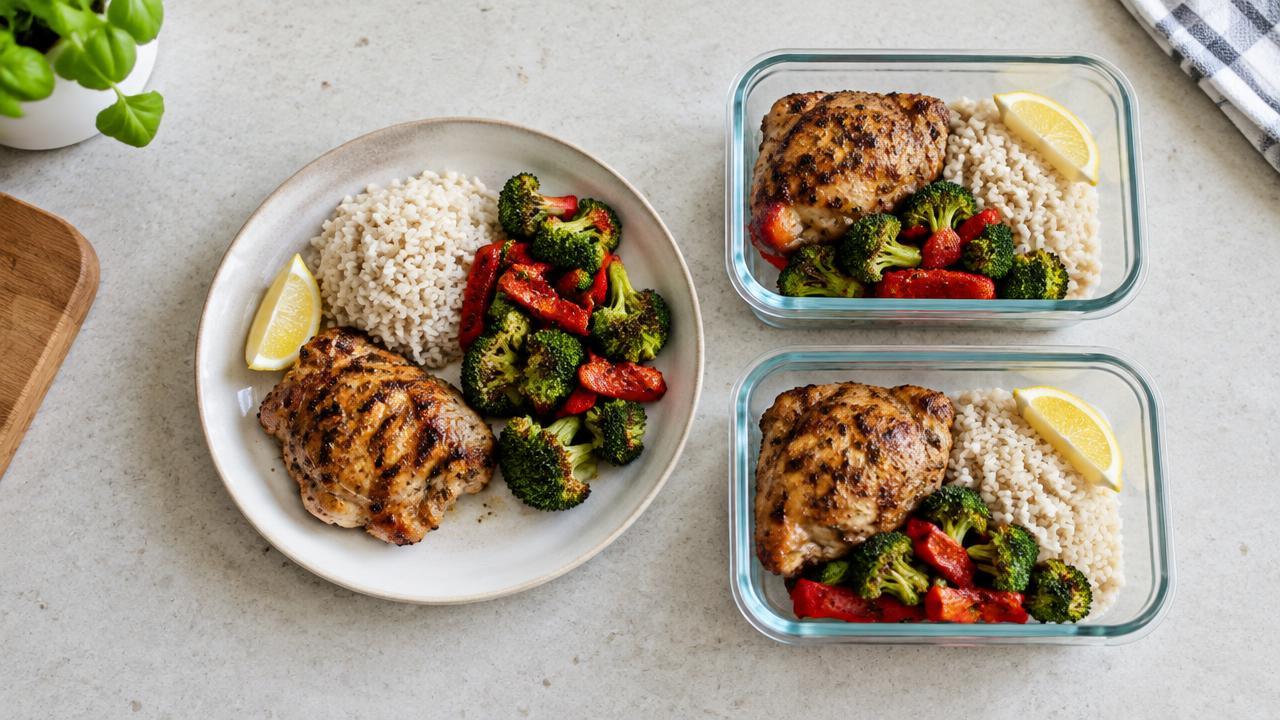
Nutrition
The no-fad nutrition approach we use with members to drive fat loss, built around protein, portions and a structure that lasts past week three.

Personal Training
A local buyer's guide: what to look for, what to ask, and the red flags to avoid.
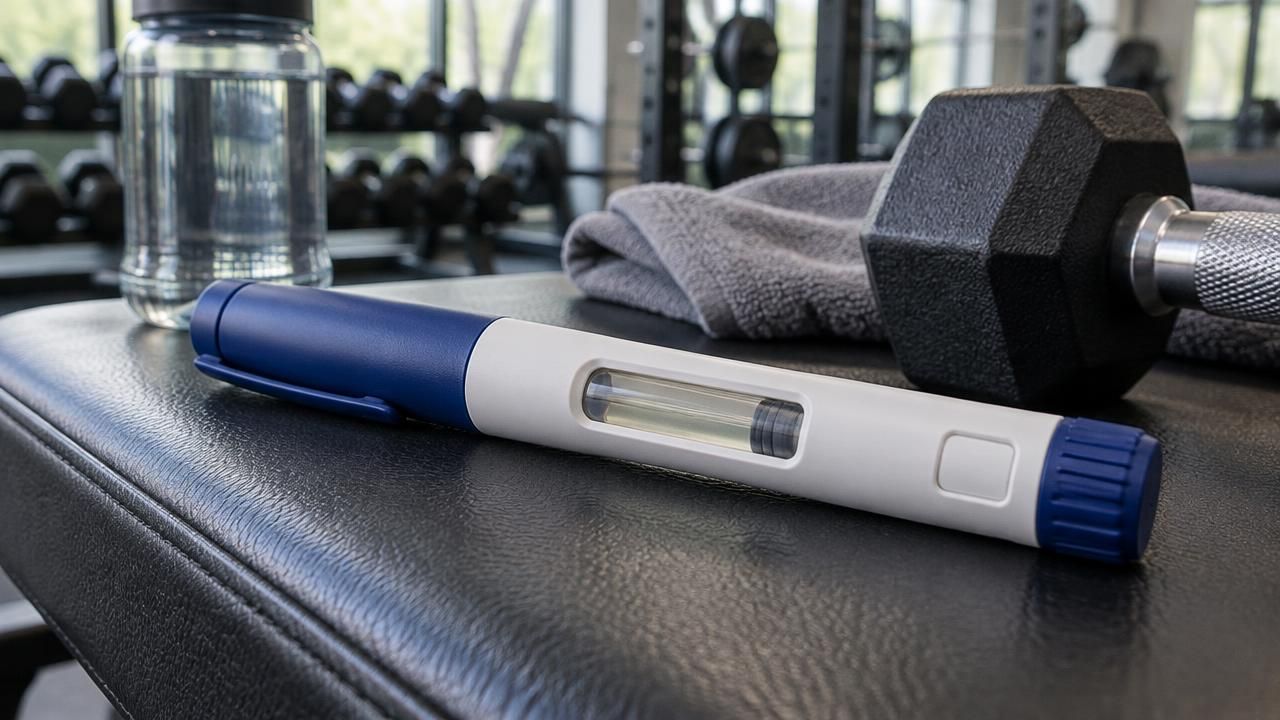
Body Composition
Weight-loss injections work, but up to a third of what you lose can be muscle. Here is how to keep your strength and make sure it is fat that goes.
This article is general information for healthy adults and is not medical, dietetic or physiotherapy advice. Speak with your GP or a qualified health professional before starting a new exercise, nutrition or recovery program, particularly if you have an existing injury or medical condition.
Your next step
A short conversation about your goals, your history and what a realistic plan looks like.