Nutrition
Nutrition for Fat Loss: A No-Fad Guide
The no-fad nutrition approach we use with members to drive fat loss, built around protein, portions and a structure that lasts past week three.
Nutrition
By Brad Ellison ·

If you are eating less to lose fat and you want to keep your muscle, aim for 1.6 to 2.2 grams of protein per kilogram of body weight a day. For an 85kg man that is about 135 to 185 grams. For a 70kg woman, about 110 to 155 grams. That is roughly double the Australian Recommended Dietary Intake, and there is a reason for the gap: the RDI is the amount that stops a healthy adult being deficient, not the amount that protects lean muscle while you are in a calorie deficit and training.
Dietitians Australia puts approximate requirements at 0.75g per kilogram a day for adult women and 0.84g for adult men, rising to about 1g per kilogram for people over 70. For a 70kg woman that is 53 grams a day. It is a reasonable floor for someone whose weight is stable and who is not training hard. It was never designed as a fat-loss target.
This is the most common gap I see on an intake consult. Someone has cut their calories hard, they are training three or four times a week, and they are eating 60 or 70 grams of protein a day. The weight comes off. A chunk of it is muscle. Then the loss stalls, they feel flat, and the body in the mirror looks softer at a lower bodyweight than it did at a higher one.
Use the lower end if you are new to training or finding the volume of food hard to manage, and the upper end if you are in a steep deficit, training hard, or over 50. If you are carrying a lot of excess weight, work off a realistic goal weight rather than your current weight, otherwise the number gets unmanageable.
The clearest test of this was a randomised trial published in the American Journal of Clinical Nutrition in 2016. Two groups of young men ate a diet with energy cut by about 40 percent for four weeks while doing resistance and interval training. One group ate 1.2g of protein per kilogram a day, the other 2.4g. The higher-protein group gained 1.2kg of lean mass while the lower-protein group gained 0.1kg, and the higher-protein group lost more fat as well: 4.8kg against 3.5kg.
That was young men, four weeks, an aggressive deficit, and all of their food was provided for them. Do not read it as a promise that you will gain 1.2kg of muscle while dieting. What it establishes is the direction: at the same calorie deficit and the same training, protein intake changed what came off.
A meta-analysis of 49 randomised trials and 1,863 participants in the British Journal of Sports Medicine found that gains in fat-free mass from resistance training stopped improving once total protein passed about 1.62g per kilogram a day, with a confidence interval running from 1.03 to 2.20. That is the ceiling on the useful range. Going from 1.6 to 2.2 is cheap insurance while you are dieting. Going from 2.2 to 3.0 buys you nothing except a harder day of eating.
Better Health Channel notes that from around 50 years of age humans begin to gradually lose skeletal muscle, a process called sarcopenia. The same British Journal of Sports Medicine review found the muscle benefit of extra protein shrank as age went up, and its authors make the point that older people are anabolically resistant: they need a larger dose of protein per meal to get the same muscle-building response a younger person gets from less.
So the older you are, the less margin you have. A 30-year-old who undereats protein for twelve weeks loses a little muscle and rebuilds it quickly. A 52-year-old loses it on top of what age is already taking, and rebuilds it slowly. That is the practical reason we push protein hardest with clients over 45, and it runs through our guides to losing weight after 40 for men and strength training for women over 50.
Numbers are useless until they become food. Better Health Channel's standard serve sizes are a good reference: 65g of cooked lean red meat, 80g of cooked poultry, two large eggs, 170g of tofu, or 30g of nuts and seeds. A day that lands near 140 grams, without a single supplement, looks like this:
Dietitians Australia recommends spreading protein across two to three meals a day rather than loading it into one, because that is better for muscle protein synthesis. In practice the fix for most people is not dinner. It is breakfast and the afternoon. Those two meals are where almost everyone we scan is short, and our nutrition for fat loss guide covers how the rest of the day fits around them.
No. Whole food should do most of the work and it will fill you up better. A shake is a convenience tool for the one meal you keep missing, usually mid-afternoon or straight after training. If you can hit your number with food, do that.
One safety note. Dietitians Australia advises speaking to your GP or an Accredited Practising Dietitian before starting a high-protein diet, because very high intakes can add stress to the kidneys. If you have any kidney condition, have that conversation first.
It is late October. There are just under nine weeks until Christmas, and work functions start landing from the middle of November. The pattern we see every year is people cutting hard through November to look better at the December events, undereating protein while they do it, and arriving at Christmas lighter on the scale with less muscle than they started with. January then feels harder than it should.
Nine weeks is enough time to lose a real amount of fat. It is also enough time to lose a real amount of muscle, and which one happens is decided largely by your protein intake and whether you are lifting. Protein-first ordering works at a pub too: the steak and the salad, the parmigiana without the chips, the barramundi. You are not being difficult, you are being deliberate. How often you train matters here as well, and we set out the minimum in how many times a week you should train to lose weight.
The scale cannot tell you whether you lost fat or muscle, which is the whole problem with managing a diet by bodyweight. We scan clients on an InBody 570 at the start and then monthly, and the number we watch through a fat-loss phase is skeletal muscle mass. If fat mass is falling and muscle mass is holding, the protein and the training are right. If both are falling, protein goes up and the deficit comes down. Since 2011 we have made that call hundreds of times, and it takes two minutes with a scan and guesswork without one.
If you are dieting right now and you do not know whether the weight coming off is fat or muscle, that is worth finding out before you spend another nine weeks on it.
Questions
Nutrition
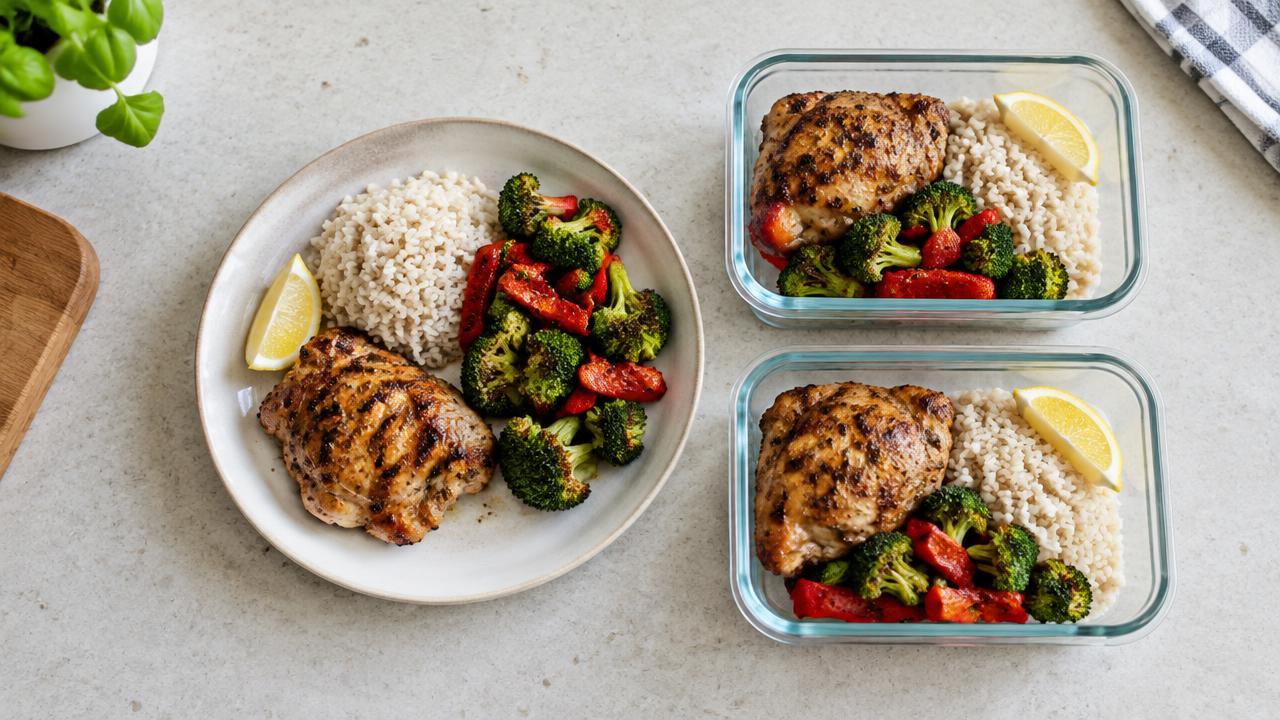
The no-fad nutrition approach we use with members to drive fat loss, built around protein, portions and a structure that lasts past week three.

Body Composition
What an InBody 570 scan measures, how accurate it really is versus DEXA, how to read your result, and where to book one in Maroubra, from a studio that scans members every 4 to 6 weeks.
Body Composition
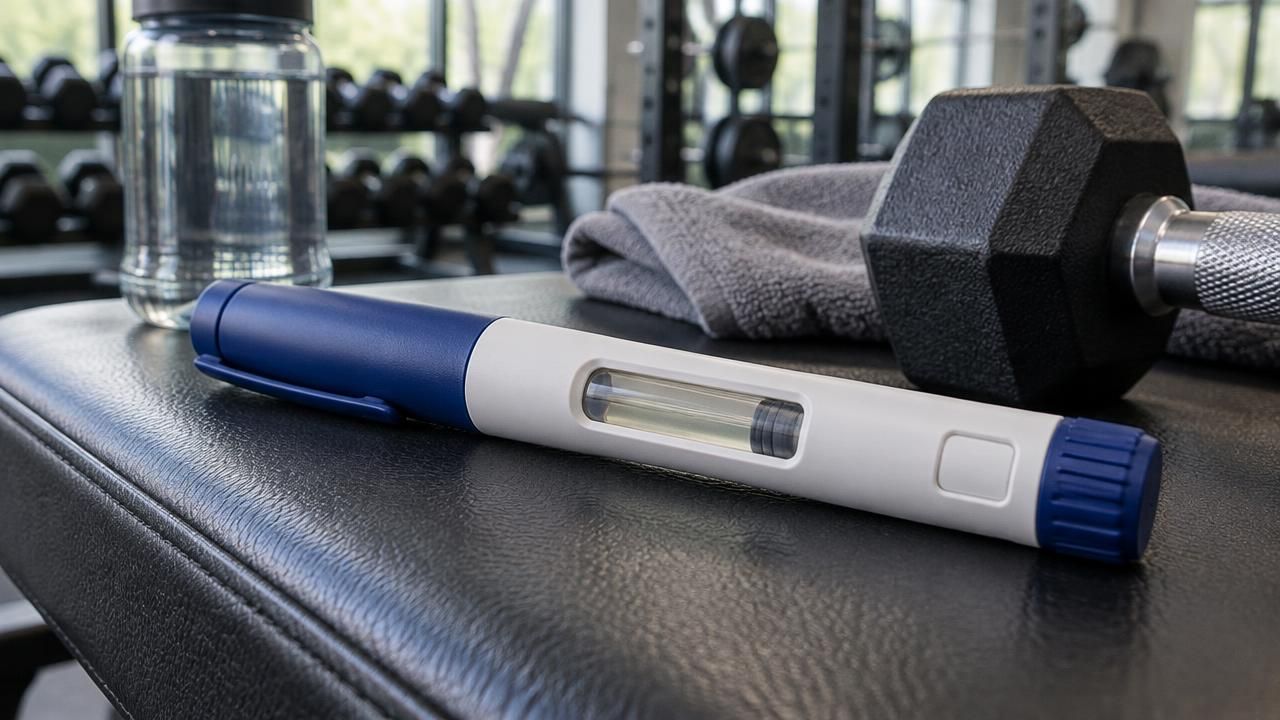
Weight-loss injections work, but up to a third of what you lose can be muscle. Here is how to keep your strength and make sure it is fat that goes.
Training
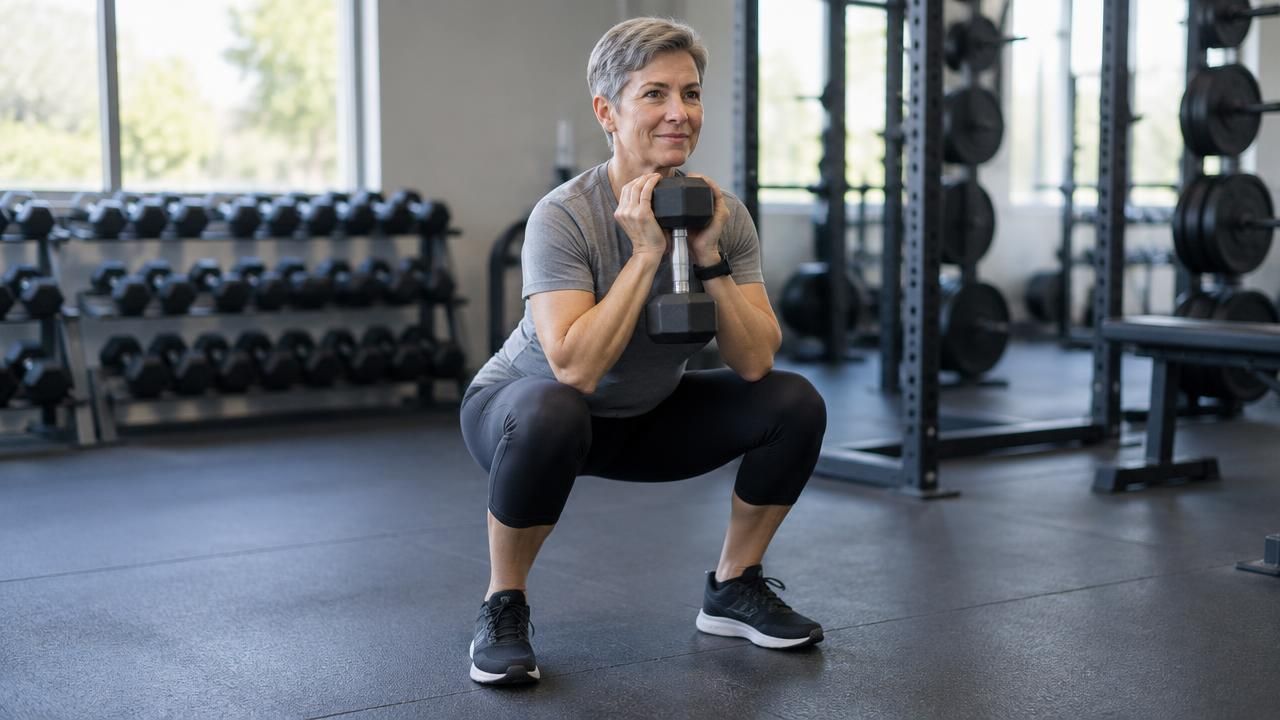
Why lifting weights is one of the best things women over 50 can do, and how to start safely.
This article is general information for healthy adults and is not medical, dietetic or physiotherapy advice. Speak with your GP or a qualified health professional before starting a new exercise, nutrition or recovery program, particularly if you have an existing injury or medical condition.
Your next step
An InBody scan separates fat from muscle so your training and nutrition are set from data, not guesswork.