
Nutrition
Alcohol and Fat Loss: What a Big Weekend Actually Costs You
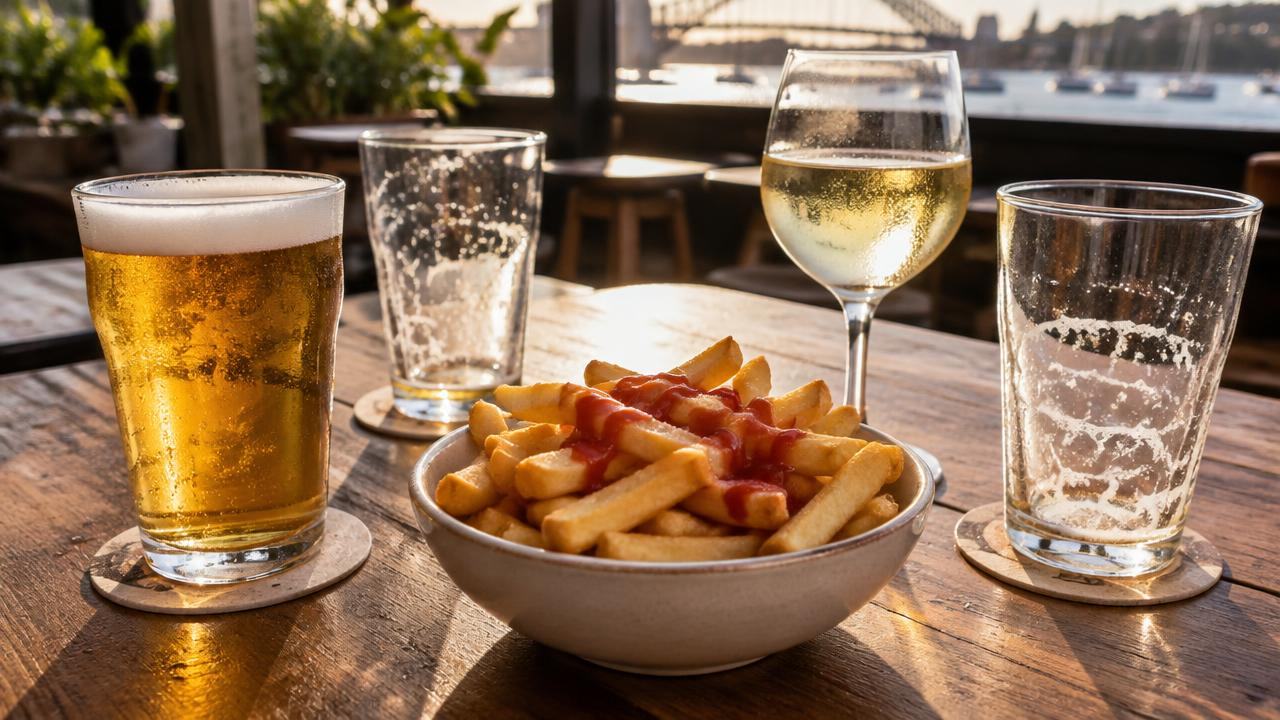
What alcohol actually does to fat loss, the kilojoule numbers behind a big weekend, and the drinking rules we give members heading into Christmas.
Nutrition
By Brad Ellison · · Updated 20 September 2026
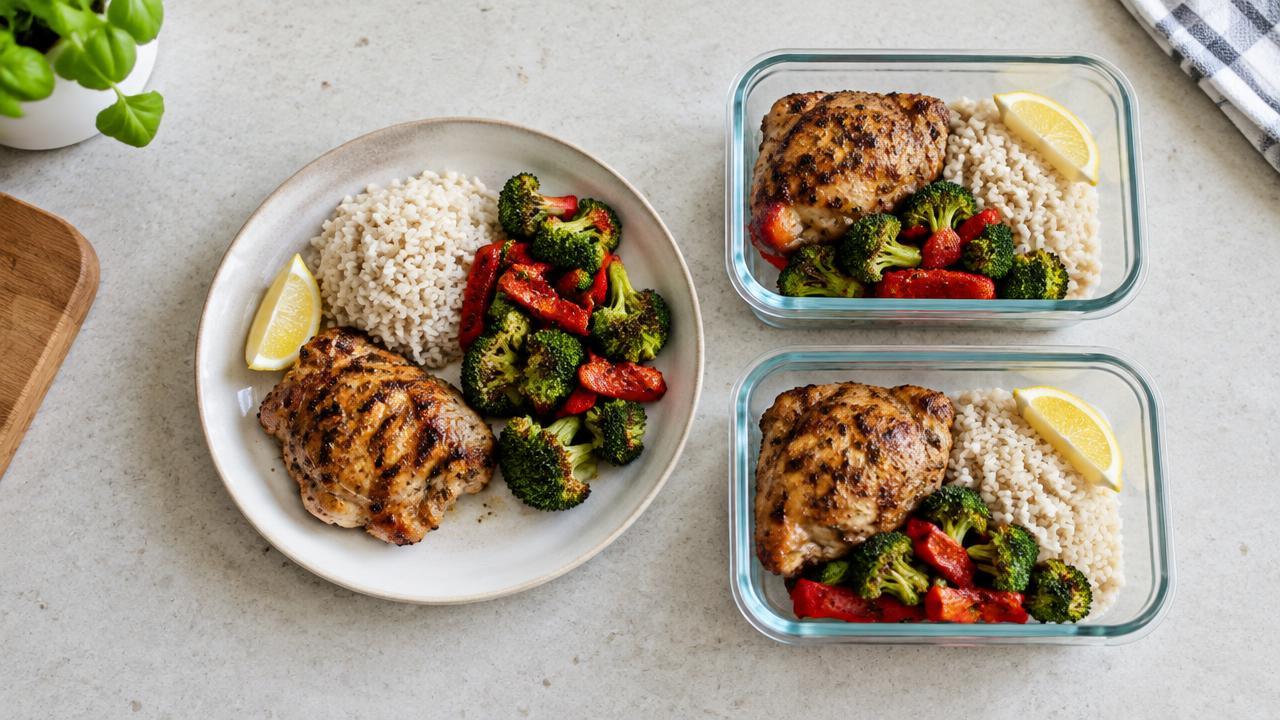
Fat-loss nutrition is simpler than the industry wants you to believe: eat in a modest calorie deficit, get enough protein, base meals on whole foods, and choose an approach you can actually sustain. No single food, supplement or detox burns fat. The diet that works is the one you can keep doing when life gets busy.
We have been coaching people through this in Maroubra since 2011, and the pattern barely changes. Almost nobody fails because they picked the wrong diet. They fail because they picked one that does not survive a work dinner, a school holiday or a Saturday afternoon.
Very restrictive diets work on paper by cutting calories hard, but they are difficult to sustain, often cost you muscle, and set up the all-or-nothing rebound. Cutting entire food groups you enjoy rarely lasts. Sustainable beats optimal, because the perfect diet you quit does nothing.
Losing weight too fast has a cost the scale hides. As the Better Health Channel puts it, when weight comes off too quickly you lose fat and muscle, and muscle is what keeps your metabolic rate ticking over. That is why we measure body composition rather than weight, and why every member starts with an InBody scan instead of a bathroom weigh-in.
When a member is doing the training, eating well on weekdays and still sitting flat, the answer is almost always in one of three places. Drinks, weekends and portions of the things you do not think of as meals.
You do not need to weigh every gram. Build a repeatable structure: a protein source and vegetables at most meals, sensible portions of carbs around training, and a plan that survives a weekend brunch or a work dinner. Consistency across the week matters more than any single meal. When progress stops entirely, work through the four causes of a weight loss plateau before cutting food further.
What we tell people is to make four decisions once, rather than twenty decisions a day. Pick your usual breakfast. Pick two lunches you can repeat. Pick four dinners that everyone in the house will eat. Pick which nights involve alcohol. That is it. Everything else is detail.
You live near some of the best food in Sydney, and avoiding it is not a strategy. Order the protein first and build the plate around it, treat chips and bread as a choice rather than a default, and decide before you sit down whether tonight is a drinking night. A member who eats out twice a week and handles it well will beat a member who eats out twice a week and pretends it did not happen.
It is late September. The NSW school holidays run from Monday 28 September to Friday 9 October, Term 4 starts on Tuesday 13 October, and from there the calendar fills with functions and Christmas parties. There are roughly thirteen weeks between now and Christmas Day, which at a sensible rate is 6 to 13 kilograms of room. That window is plenty, but only if the nutrition plan already accounts for the events rather than collapsing at the first one.
Want a plan built around your body, your week and your actual social calendar? Our nutrition coaching turns these principles into something you can follow in October and still be following in February. For where coaching stops and clinical nutrition starts, see when you should see an Accredited Practising Dietitian instead of a coach.
Questions
Nutrition
What alcohol actually does to fat loss, the kilojoule numbers behind a big weekend, and the drinking rules we give members heading into Christmas.
Fat Loss
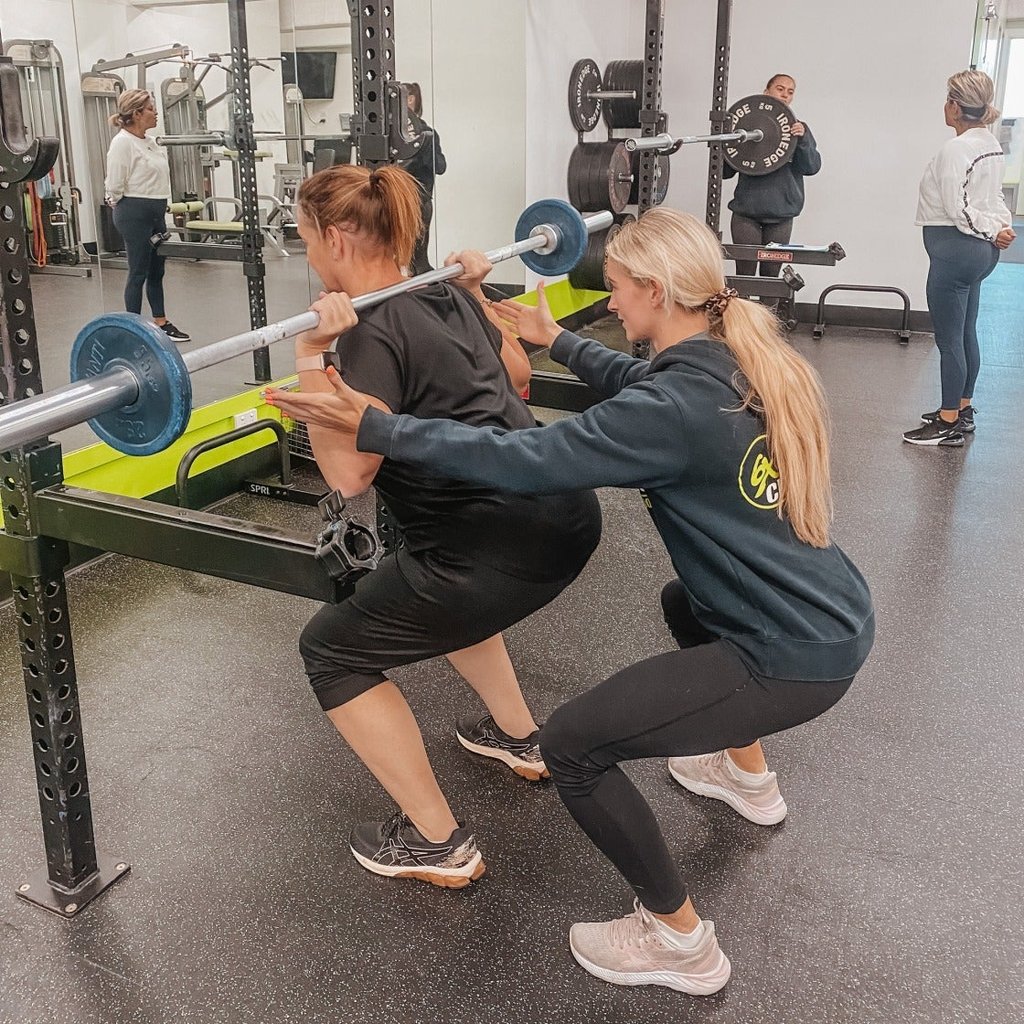
What actually drives fat loss (energy balance, protein, resistance training), what to ignore, and how a Maroubra studio structures it.
Fat Loss
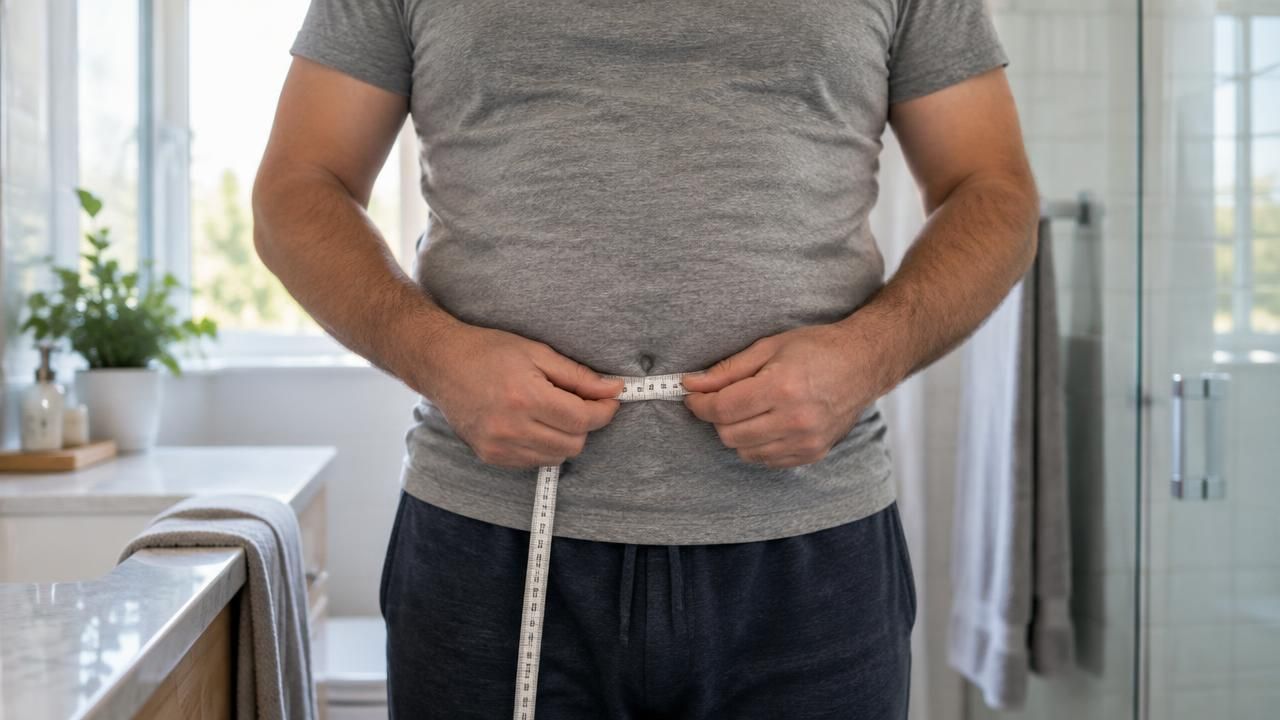
Why belly fat is stubborn, why spot-reduction is a myth, and the approach that actually works.

Body Composition
What an InBody 570 scan measures, how accurate it really is versus DEXA, how to read your result, and where to book one in Maroubra, from a studio that scans members every 4 to 6 weeks.
This article is general information for healthy adults and is not medical, dietetic or physiotherapy advice. Speak with your GP or a qualified health professional before starting a new exercise, nutrition or recovery program, particularly if you have an existing injury or medical condition.
Your next step
A short conversation about your goals, your history and what a realistic plan looks like.