
Training
Strength Training for Women Over 50: A Practical Guide
Why lifting weights is one of the best things women over 50 can do, and how to start safely.
Fat Loss
By Brad Ellison ·
Most women who walk into our Maroubra studio at 45 or 50 have not started eating more or moving less. What has changed is where the body stores fat, and how much muscle is sitting underneath it. Around menopause, falling oestrogen shifts fat storage from the hips and thighs towards the abdomen, while muscle quietly declines with age. You can gain fat and lose muscle with the scale barely moving, which is exactly why so many women tell me the number looks fine but nothing fits.
The Australasian Menopause Society puts average weight gain for women aged 45 to 55 at about half a kilo a year, and makes the point that this is driven more by ageing and lifestyle than by menopause itself. What the hormonal shift changes is the composition: more fat, less muscle, often with no net change in weight at all.
The redistribution is the part women notice. According to the Victorian Government's Better Health Channel, abdominal fat accounts for roughly 15 to 20 percent of total body weight in postmenopausal women, compared with 5 to 8 percent before menopause. Same body, same scale reading, very different shape. It is also the fat that matters most for health, which is why we wrote a separate guide on visceral fat and why it behaves differently.
A 2023 systematic review and meta-analysis of 101 randomised controlled trials covering 5,697 postmenopausal women gives the clearest picture available. Across all exercise types, training reduced fat mass by about 1.27kg and body fat by 1.86 percent, and increased fat-free mass by about 0.66kg.
The breakdown is the useful part. Aerobic training did the heavy lifting on fat, cutting fat mass by around 1.94kg and waist circumference by 2.30cm. Resistance training on its own barely touched fat mass, and that result was not statistically significant. Resistance and combined training were what increased lean mass.
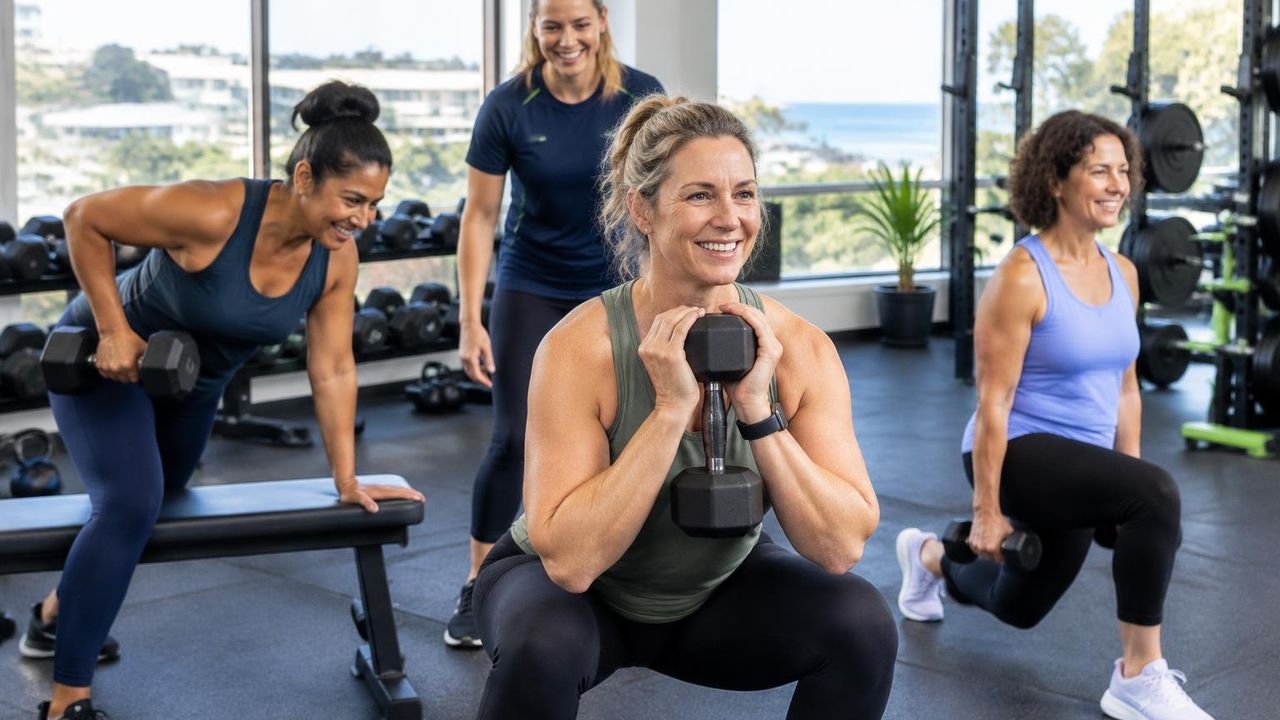
Read that carefully, because the internet has flattened it into "just lift weights". Lifting is what protects the muscle you have, and muscle is what keeps your metabolism and your independence up. It is not, on its own, what strips the fat. The women who change shape fastest do both, which is why every program we run pairs coached strength work with conditioning rather than choosing a side.
For a weekly target, the Australian physical activity guidelines the Menopause Society points to are 150 to 300 minutes of moderate activity, or 75 to 150 minutes of vigorous activity, plus muscle-strengthening work on at least two days. In practice that is three to four sessions a week for most of the women we coach, not six.
Australia's recommended daily intake sits at about 0.75g of protein per kilogram of body weight, rising to roughly 1g per kilogram for women over 70, as Jean Hailes sets out. That figure is the floor for avoiding deficiency. It is not the number you want if you are training hard and eating in a deficit while trying to keep every gram of muscle you have.
A meta-analysis of resistance-training studies found that gains in muscle mass kept improving with higher protein intakes up to around 1.6g per kilogram per day, then plateaued. Most of that research is in mixed adult populations rather than menopausal women specifically, so treat it as a sensible target rather than a law. What we use in the studio is 1.6 to 2.0g per kilogram for women actively training through a fat-loss phase. For a 70kg woman that is roughly 112 to 140g a day, spread across three or four meals instead of loaded into dinner.
In my experience this is the single biggest gap. Most women arriving at 6X are eating somewhere between 50 and 80g a day and wondering why they feel hungry and weak. Fixing protein first usually does more than any training change. Our broader nutrition approach for fat loss builds from there.
Menopause does not suspend the laws of energy balance, and I would be doing you no favours pretending otherwise. It does make the deficit harder to hold: sleep is often worse, motivation swings, and less muscle means slightly lower daily energy use. The answer is not a harsher diet. A smaller, boring, sustainable deficit alongside enough protein and enough resistance training beats a severe one you abandon in week three, every time.
We have coached this group since 2011, and the structure that works has stayed remarkably stable:
We have seen first hand that the women who do best are not the ones who train hardest in week one. They are the ones still training in week 12. If you want the training side in more detail, our guide to strength training for women over 50 covers how to start and how to progress safely.
It is mid-September. NSW school holidays run from 28 September to 9 October, Term 4 starts on 13 October, and from there the year runs downhill into Christmas parties and a coastline full of people in swimmers. Twelve weeks from this week lands in the second week of December.
That is not a scare tactic, it is just arithmetic. Twelve weeks is enough time to meaningfully change waist measurement and lean mass. Two weeks in late November is not. What we tell people every spring is the same thing: the women who feel good in December started in September, not in November.
Training and nutrition are our lane. Hormones are not. If you are dealing with disrupted sleep, hot flushes, mood changes or symptoms that are affecting your life, talk to your GP about menopausal hormone therapy and about ruling out thyroid or medication causes for weight change. Jean Hailes is a reliable Australian starting point for that conversation. Good coaching works alongside that, not instead of it.
Questions
Training
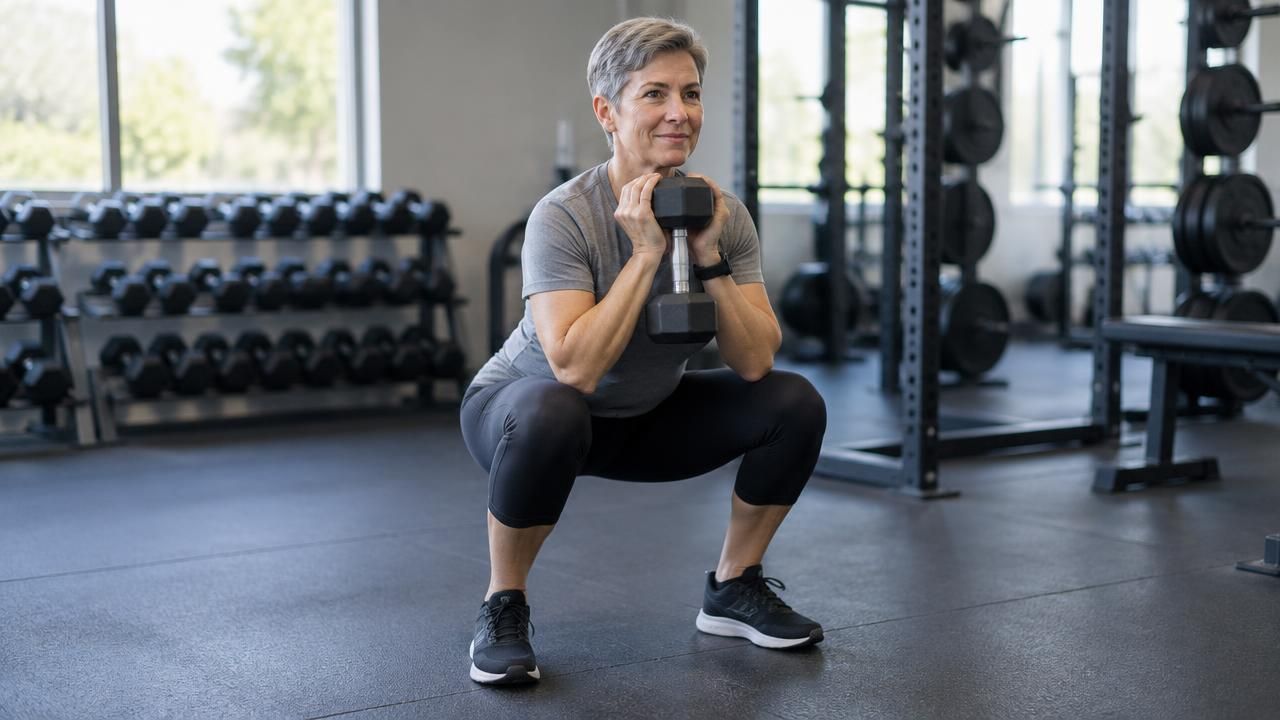
Why lifting weights is one of the best things women over 50 can do, and how to start safely.

Body Composition
What an InBody 570 scan measures, how accurate it really is versus DEXA, how to read your result, and where to book one in Maroubra, from a studio that scans members every 4 to 6 weeks.
Body Composition
What visceral fat is, why it matters more than the fat you can see, and how to reduce it.
Nutrition
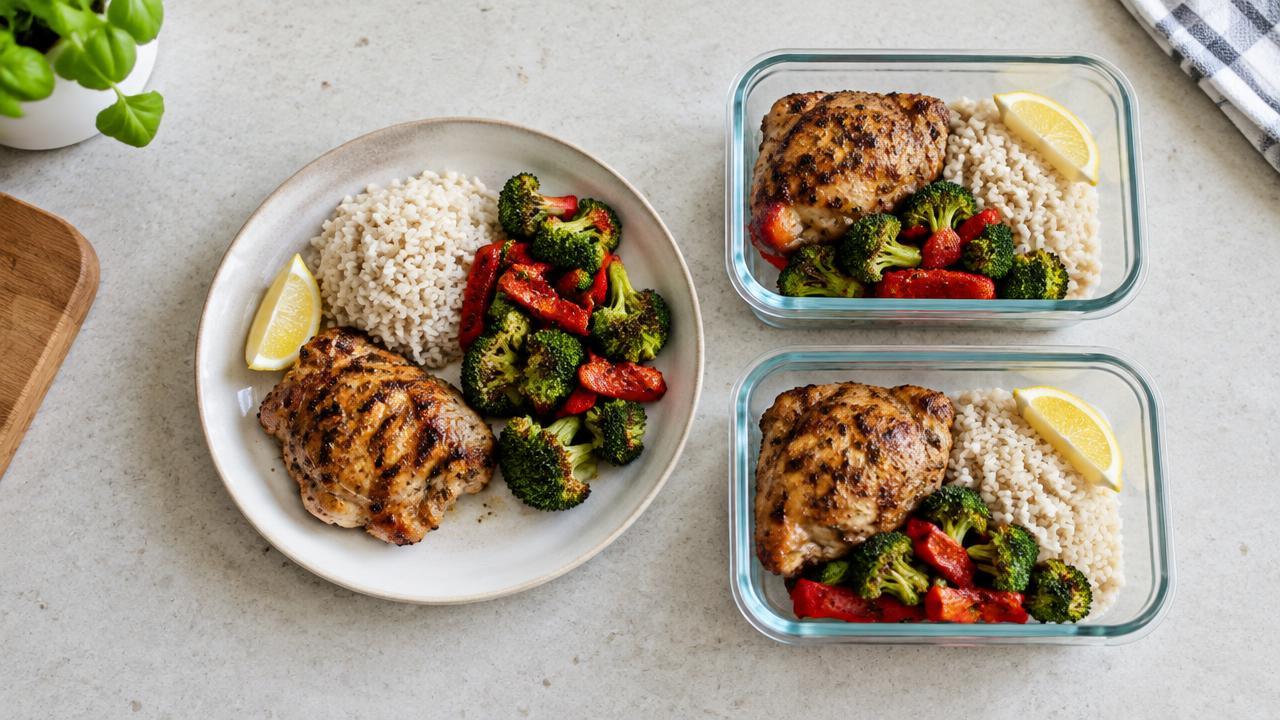
The no-fad nutrition approach we use with members to drive fat loss, built around protein, portions and a structure that lasts past week three.
This article is general information for healthy adults and is not medical, dietetic or physiotherapy advice. Speak with your GP or a qualified health professional before starting a new exercise, nutrition or recovery program, particularly if you have an existing injury or medical condition.
Your next step
An InBody scan separates fat from muscle so your training and nutrition are set from data, not guesswork.