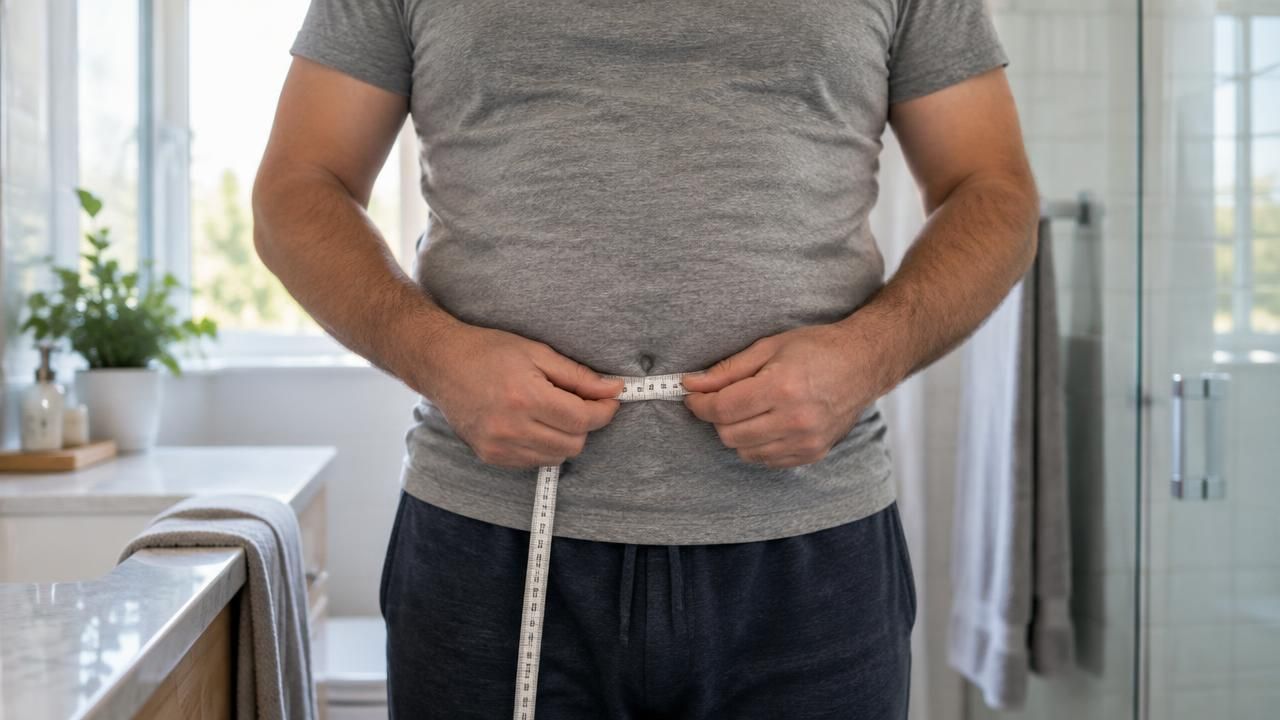
Visceral fat is the fat stored deep around your organs, and it matters more for your health than the fat under your skin. Higher visceral fat is linked to greater risk of metabolic and cardiovascular problems, so reducing it is one of the most worthwhile health goals, and it often responds faster to training and nutrition than stubborn surface fat.
Why visceral fat is different
Subcutaneous fat sits under the skin and is mostly a cosmetic and storage concern. Visceral fat sits deeper, around the liver and other organs, and is more metabolically active; it is associated with higher risk of type 2 diabetes, heart disease and other issues. You can carry too much of it even at a normal weight, which is why the scale alone is not enough.
How to measure it
An InBody scan estimates your visceral fat level on a simple scale, so you can track it over time. A waist measurement is a useful, free proxy: a rising waistline usually means rising visceral fat. The scan is especially useful for seeing how weight-loss medications affect body composition.
How to reduce it
- An overall fat-loss approach, a modest and sustainable calorie deficit.
- Resistance training plus regular movement, which target visceral fat effectively.
- Enough protein and fibre, and limiting excess alcohol and sugary drinks. See what alcohol actually does to fat loss.
- Sleep and stress management, which influence where you store fat.
The encouraging part: visceral fat often falls early when you train and eat well, even before the mirror changes. That is why we track it with an InBody scan rather than the scale alone. Want to know your visceral fat level? Book an InBody scan and we will build a plan around it.